




For 20 years, 287 thousand children were born in the capital, reports ortcom.kz with reference to the official website of the capital akimat.
To reduce maternal and infant mortality, a number of urgent measures were taken, including an increase in hospital beds in urban hospitals, a reduction in the shortage of personnel and the improvement of the skills of service specialists.
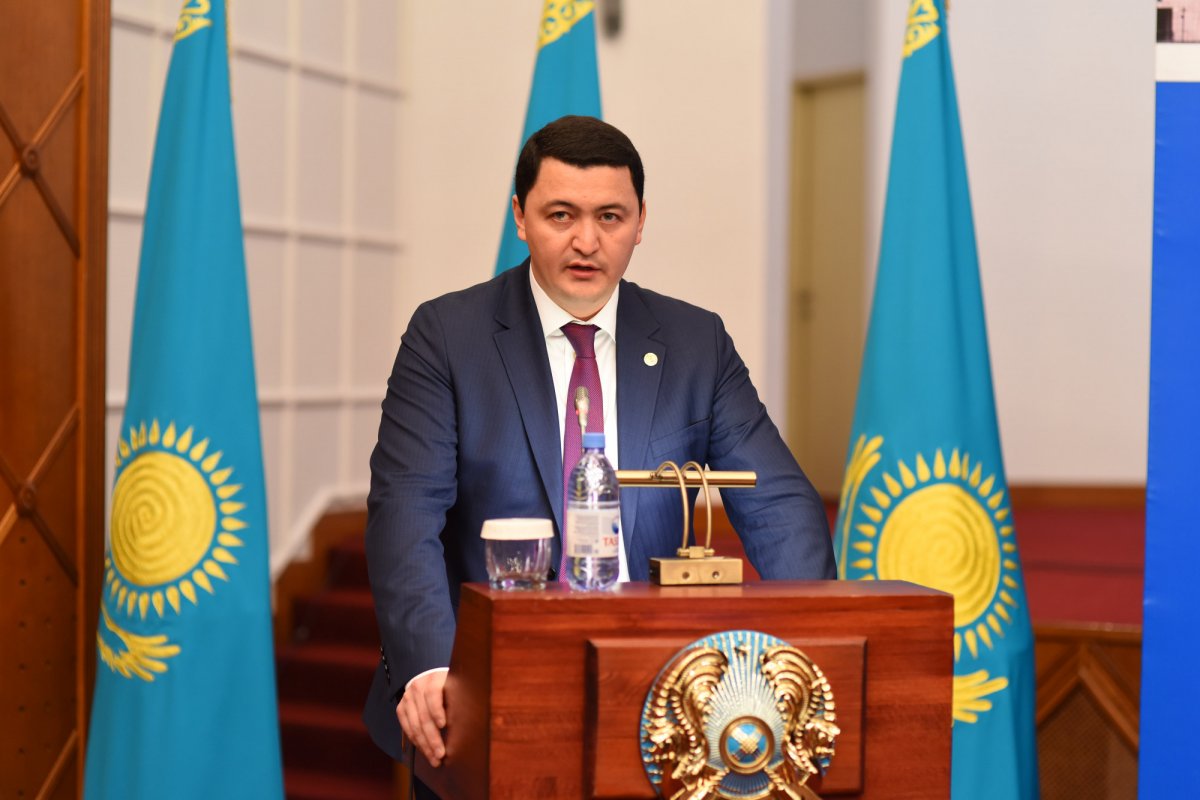
“Taking into account the growth of the population of the capital, we have begun the implementation of a project for the construction of a new maternity unit for 250 beds at the base of the city hospital No. 1. We also decided to increase the bed capacity in the multi-profile hospital No. 2 from 185 to 220 beds,” said at the city meeting Headquarters for the adoption of urgent measures to reduce maternal and infant mortality, the head of the public health department of Astana, Kamalzhan Nadyrov.
To reduce the shortage of staff in the public health department of Astana, work is carried out with leading universities in the country. Within the framework of the grant training the necessary specialists are trained.
“One of the factors affecting the shortage of personnel is the lack of housing in the capital. To improve housing conditions this year alone, 11 apartments were allocated for qualified obstetricians, and plans are to build housing for medical workers. Also, the issue of issuing housing certificates has been worked out, which will make housing more affordable, ”K. Nadirov added.
In order to improve the skills of obstetric services, specialists are trained: obstetrician-gynecologists, anesthesiologists and resuscitation specialists, both domestically and abroad, in operational obstetrics and effective perinatal technologies.
Mobile teams have been formed from experienced specialists. They include obstetrician-gynecologists, vascular surgeons, anesthesiologists and resuscitators who own all types of operative delivery and reanimation of women in critical condition. In August, the Department established the City General Hospital No. 2 by combining the Perinatal Center No. 1 and the City Hospital No. 2, which allowed providing timely and high-quality assistance to women with complex extragenital pathology. Kamalzhan Nadirov noted that in recent years there is a tendency of migration of pregnant women with severe extragenital pathologies, 34% of 248 women were from other cities.